
The Sonic Frontiers vs. Genshin Impact Award Feud: A Legacy of Toxicity in Gaming Communities
The Game Awards fan-voted category ignited a fierce Sonic Frontiers vs Genshin Impact feud, exposing toxic gaming culture and online hostility.
In late 2022, a fan-voted award category at The Game Awards spiraled far beyond a simple competition, morphing into a digital battleground marred by racism, harassment, and deep-seated animosity. The rivalry between supporters of Sonic Frontiers and Genshin Impact exposed a dark underbelly of fandom culture, where passion for a game became a justification for virulent online behavior. The conflict, which began with accusations of bot voting and spam campaigns, escalated into a toxic feud that left a lasting stain on the gaming community. The announcement of Genshin Impact as the winner did little to quell the hostility; instead, it acted as fuel for a fire of bitterness and conspiracy theories that continued to burn long after the polls closed. What does it say about modern gaming culture when a celebration of interactive art devolves into such ugliness?
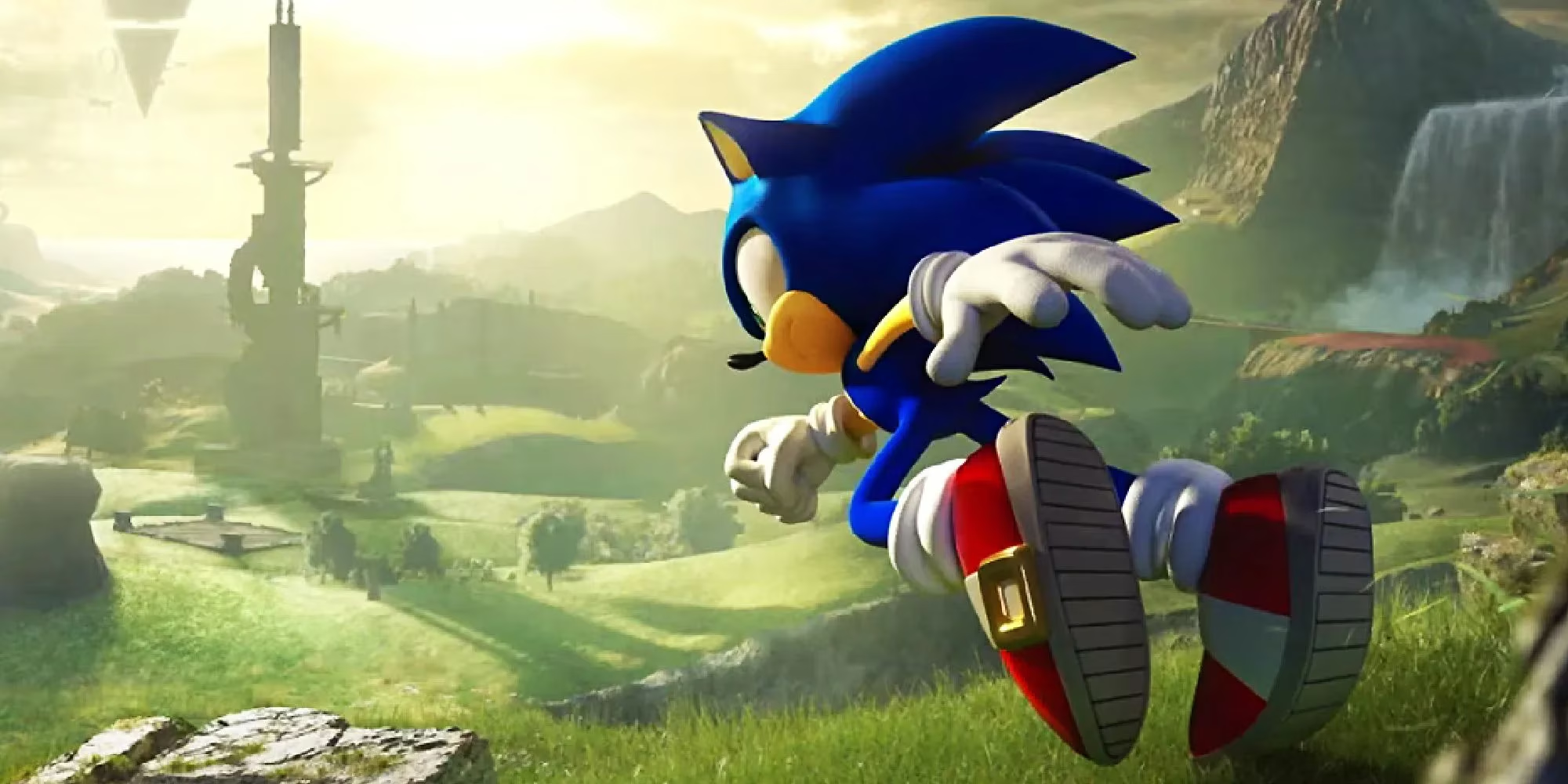
The immediate aftermath of the winner announcement was a predictable storm of anger, primarily from a vocal segment of Sonic Frontiers fans. Social media platforms, particularly Twitter, were flooded with reactions ranging from disappointment to outright vitriol. A significant point of contention was host Geoff Keighley's mention of cleaning bot votes, which many Sonic fans interpreted as a targeted action against their community, despite their own camp having levied similar accusations against Genshin Impact voters. This perceived slight fueled a narrative of unfairness. However, the discourse quickly transcended mere sportsmanship. Numerous tweets resurrected the racist attitudes that had plagued the voting period, with some users directing xenophobic hatred towards China, the country of origin for Genshin Impact developer miHoYo (now HoYoverse). Comments like "I HATE CHINA DUDE BORING GACHA GAME" were not isolated incidents but part of a broader, hateful pattern that sought to delegitimize the winner not on merit, but on nationality.
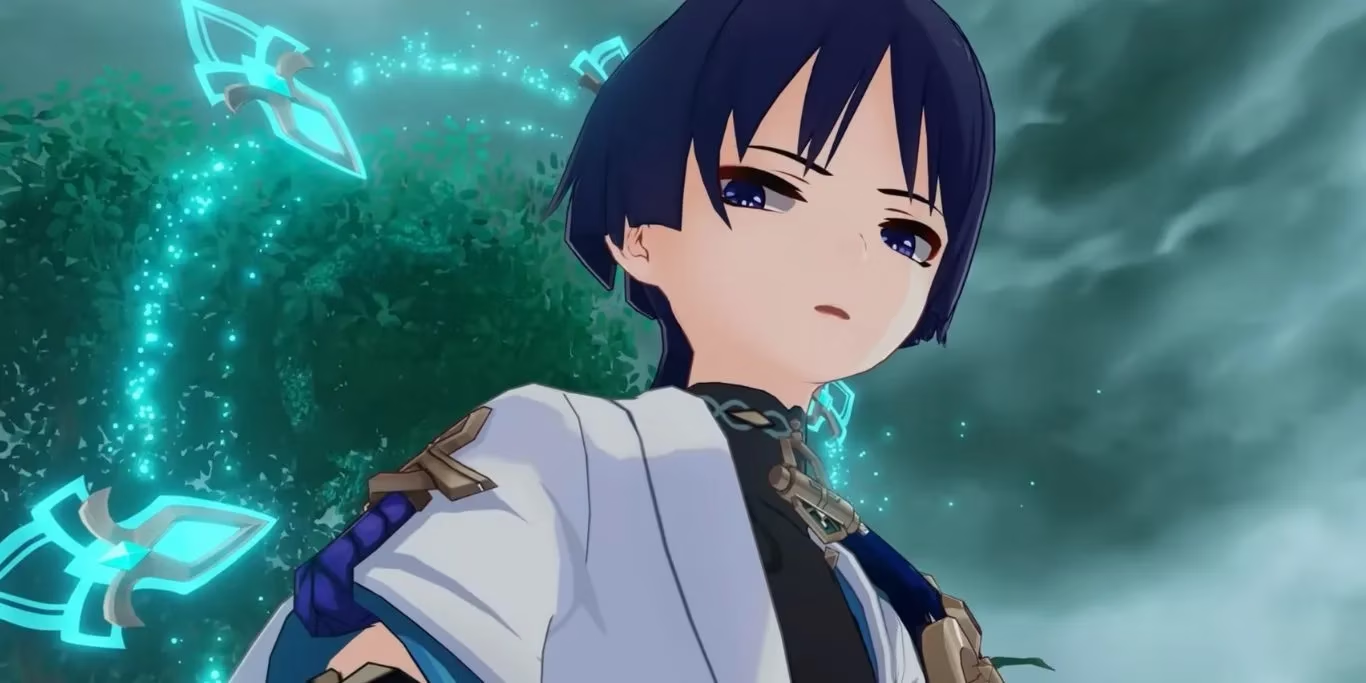
Meanwhile, on Reddit, the Sonic Frontiers subreddit experienced a brief but intense period of turmoil. Initial posts reflected raw frustration: "L we lost bois" and expressions of anger towards the awards show host. Recognizing the potential for the space to become a hub for toxicity, moderators acted swiftly to cull most direct mentions of the award result. This proactive moderation helped steer the community towards a more constructive path. The posts that remained visible often carried a message of peace, with fans from both sides—and those caught in the middle—advocating for an end to the hostility. They urged others to simply enjoy their respective games and leave the opposing fanbase alone. This highlighted a critical divide within the Sonic community itself: between those who wanted to perpetuate the conflict and those who recognized its absurdity and harm.
The contrasting environments of Reddit and Twitter proved telling. While Reddit moderators could enforce rules to de-escalate the situation, Twitter's more laissez-faire approach allowed the most toxic narratives to persist and proliferate. Without moderation, hateful tweets remained public, continuing to spread dangerous misinformation and personal attacks. The allegations against Genshin Impact fans escalated beyond accusations of cheating to vile, baseless smears, including labeling the entire playerbase as pedophiles. Some users even twisted this bigotry into bizarre conspiracy theories, ignoring the simple, logical explanation for Genshin Impact's victory: its colossal, global playerbase vastly outnumbers that of Sonic Frontiers. The sustained racist and abusive campaign by some Sonic fans likely galvanized even more Genshin players to vote, if only out of spite or a desire to counter the hate.
Perhaps the most insidious development was the framing of this event as merely one "battle" in an ongoing "war" between the two fan communities. Tweets declaring, "we may have lost the battle, but not the War," signaled an intent to prolong the conflict indefinitely. This mindset is profoundly dangerous. The initial feud was already characterized by severe misconduct:
-
Racist rhetoric and xenophobia
-
Organized harassment campaigns
-
Doxxing (publishing private personal information)
-
Sending triggering material via direct messages
-
Issuing death threats
To treat such behavior as a standard tactic in a perpetual fan "war" normalizes and excuses these actions, stripping them of their serious, real-world consequences. It creates a cycle of retaliation with no clear objective other than to inflict harm on the perceived "enemy." What is the end goal of such a war? What could possibly be won? The answer, of course, is nothing of value—only more bitterness and a more poisoned online ecosystem.
Looking back from 2026, the kneejerk reactions have largely subsided, as predicted. The most toxic voices moved on to new controversies, as the internet's attention span inevitably shifts. However, the incident remains a potent case study in online tribalism. It serves as a stark reminder of how easily communal joy over shared interests can be corrupted into us-vs-them hatred. The episode underscored the critical importance of proactive community moderation and the responsibility of platforms to curb hate speech. It also highlighted the resilience of the majority of reasonable fans who, amidst the chaos, called for peace and mutual respect. Ultimately, the legacy of the Sonic Frontiers vs. Genshin Impact award feud is not about which game won a popular vote, but a cautionary tale about the fine line between passionate fandom and toxic zealotry.